

An Innovative Fight Against Malaria in East Africa
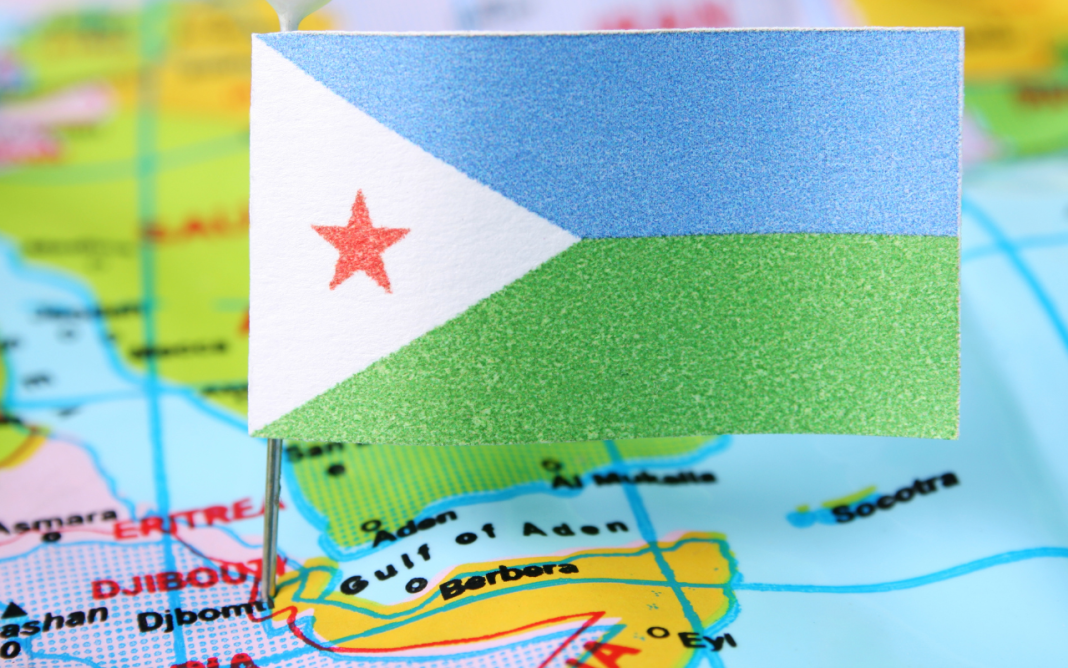
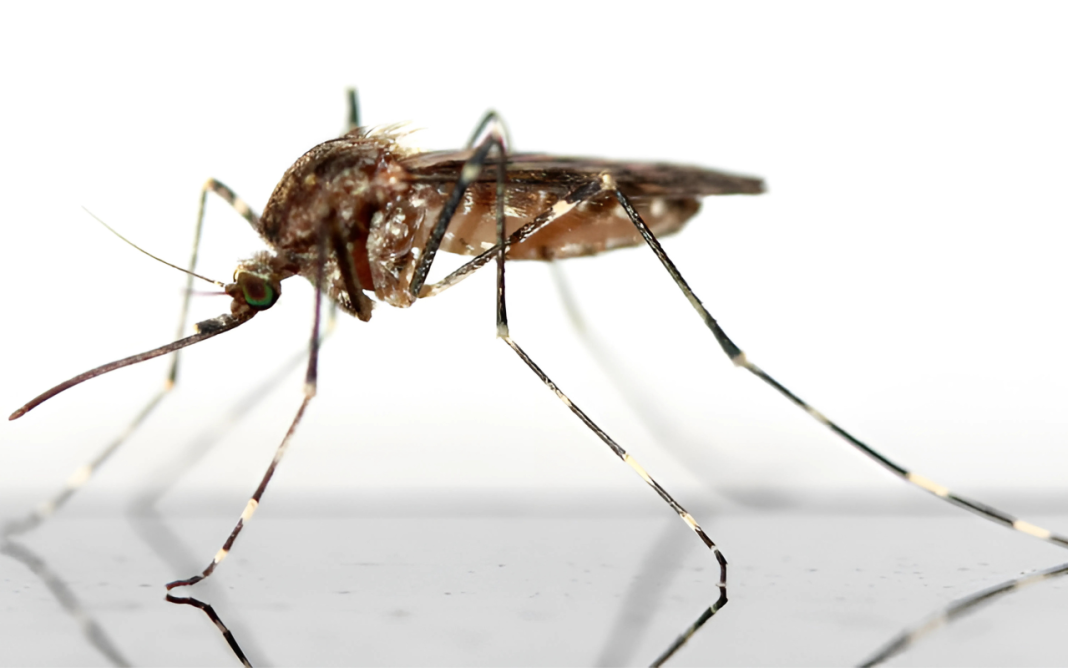
In the bustling streets of Ambouli, a suburb of Djibouti City, the whirring sound of mosquitoes might seem unremarkable, but within those tiny wings lies a groundbreaking scientific endeavor. These are no ordinary mosquitoes—they are genetically modified organisms (GMOs) released by Oxitec, a British biotechnology firm. Armed with a mission to combat malaria, a disease that claims over 600,000 lives annually, Oxitec’s project has sparked a wave of hope and controversy.
The initiative, which began in February 2023 with the release of marked male Anopheles stephensi mosquitoes, took a revolutionary turn in May 2024. Tens of thousands of genetically modified mosquitoes, dubbed “Friendly Mosquitoes,” were unleashed in the suburb. These male mosquitoes carry a self-limiting gene designed to reduce local populations of malaria-carrying females. For Djibouti, a nation grappling with a sudden rise in malaria cases, this represents a potential turning point.
But as with any bold scientific leap, the project raises questions: Can genetic technology be the key to eradicating malaria, or does it risk unintended consequences for ecosystems and human health? Backed by the Djiboutian government, the Bill and Melinda Gates Foundation, and a local NGO, the initiative symbolizes the intersection of innovation, science, and public health.
This article delves deep into the project’s origins, the technology behind it, and the debates it has ignited, offering a comprehensive look at how a small African nation is taking center stage in a global battle against disease.
Section 1: The Rise of Malaria in Djibouti
Until recently, Djibouti was considered a low-malaria region. However, the unexpected arrival of Anopheles stephensi, a highly efficient malaria vector, in 2013 drastically changed the epidemiological landscape. The mosquito’s adaptability to urban environments allowed it to thrive, leading to a spike in malaria cases.
Dr. Hassan Omar, a senior entomologist with the Ministry of Health, recalls the urgency that followed. “We went from having isolated cases to witnessing outbreaks in urban centers where malaria was once rare,” he says. By 2022, over 30,000 cases were reported, straining the country’s healthcare system.
This surge prompted Djibouti to explore unconventional solutions. While traditional methods like insecticide-treated nets and indoor spraying remained vital, the rising insecticide resistance among mosquitoes necessitated innovative approaches. This is where Oxitec’s genetically modified mosquitoes entered the picture.
Section 2: Understanding Oxitec’s Technology
At the heart of Oxitec’s innovation lies genetic engineering. Their male mosquitoes are engineered with a “self-limiting” gene that prevents female offspring from surviving to adulthood. Since only female mosquitoes bite and transmit malaria, this approach effectively reduces the population of disease-spreading mosquitoes.
The technology also includes a fluorescence marker, allowing scientists to track and monitor the modified mosquitoes in the wild. According to Oxitec’s chief scientist, Dr. Sarah Collins, “Our Friendly Mosquitoes are not just a biological tool but also a data-gathering mechanism that provides real-time feedback.”
Field trials conducted in Brazil and India demonstrated significant reductions in mosquito populations without adverse effects on local ecosystems. In Djibouti, Oxitec aimed to replicate this success, tailoring the project to the unique urban and semi-urban settings of Ambouli.
However, skepticism persists. Critics question the long-term ecological impacts and the possibility of unintended genetic mutations. Addressing these concerns, Oxitec emphasizes rigorous safety protocols and points to extensive regulatory approvals in other countries.
Section 3: Partnerships and Funding
The success of Oxitec’s program in Djibouti hinges on robust partnerships. The Djiboutian government played a pivotal role by facilitating regulatory clearances and public outreach. Meanwhile, financial support from the Bill and Melinda Gates Foundation, which invested over $18 million in malaria-related projects across Africa, ensured the initiative’s viability.
Local involvement was equally critical. The Association Mutualis, a Djiboutian NGO, conducted community engagement campaigns to educate residents about the project. Fatima Ahmed, the NGO’s director, explains, “We had to address fears about genetically modified organisms. People needed to understand that these mosquitoes don’t bite and pose no threat to humans.”
The collaboration between international expertise and local knowledge created a model of multisectoral partnership, illustrating how global and grassroots efforts can align to tackle public health challenges.
Section 4: Early Results and Challenges
By mid-2024, preliminary data from the Ambouli release sites showed promising results. Local mosquito populations declined significantly, and surveys indicated a decrease in malaria transmission. Yet, the project faced its share of hurdles.
Public resistance emerged as a notable challenge. Environmental groups voiced concerns about potential disruptions to predator-prey relationships and the ethical implications of releasing genetically modified organisms. “We’re playing God with nature,” warned Mohamed Ali, a local environmental activist.
In response, Oxitec ramped up transparency, hosting town hall meetings and inviting independent researchers to assess the project. Despite these efforts, lingering doubts underscore the broader tension between scientific innovation and societal acceptance.
Section 5: Broader Implications for Africa and Beyond
Djibouti’s experience with Oxitec could serve as a blueprint for other malaria-endemic regions. If successful, the initiative may pave the way for scaled-up deployments across East Africa, where Anopheles stephensi poses an increasing threat.
However, scaling up comes with logistical and ethical complexities. Dr. Collins emphasizes the importance of local adaptation: “Every region has its ecological and social nuances. What works in Djibouti might need modification in Kenya or Ethiopia.”
Additionally, the project highlights the critical role of funding in sustaining innovative health interventions. Experts warn that long-term success requires continuous investment, not only in technology but also in public health infrastructure and education.
As Djibouti takes a bold step in the global fight against malaria, the Oxitec project encapsulates both the promise and the controversy of genetic engineering. While early results are encouraging, the initiative underscores the complexities of implementing cutting-edge technology in real-world settings.
For Djibouti, this project is more than an experiment—it is a testament to the nation’s resolve to confront a growing public health crisis. Whether this approach will become a cornerstone of malaria control in Africa remains to be seen, but for now, it represents a beacon of hope in a region long plagued by disease.
The tiny wings of genetically modified mosquitoes may just carry the weight of a continent’s aspirations.
Source: https://www.france24.com/en/live-news/20241119-djibouti-experiments-with-gm-mosquito-against-malaria
L’entreprise: https://www.oxitec.com/en/our-technology