

Introduction
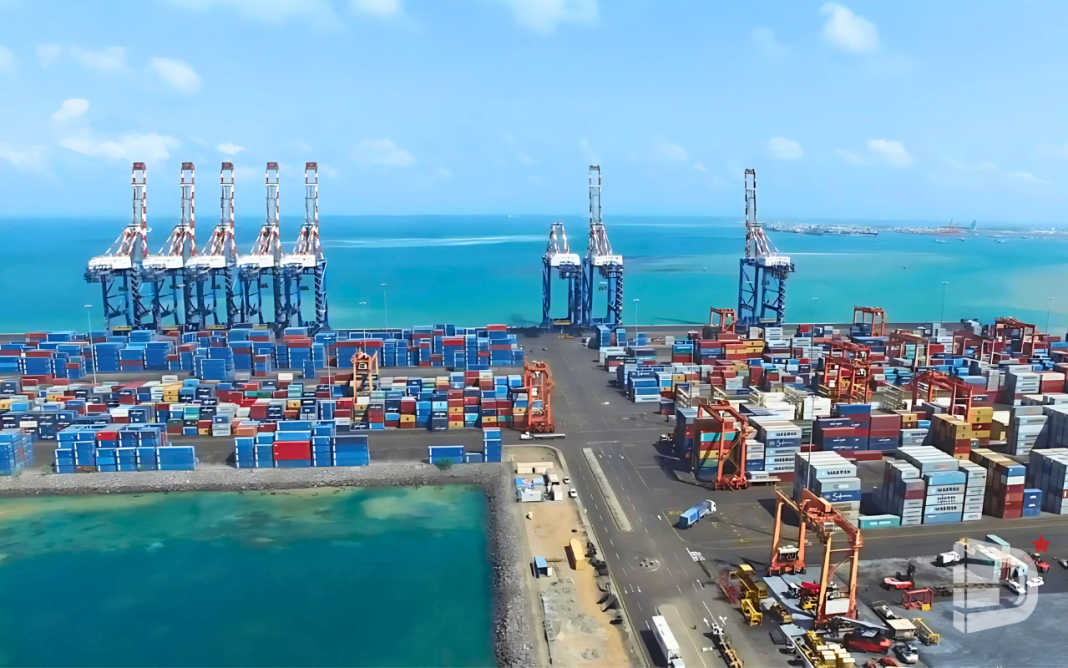
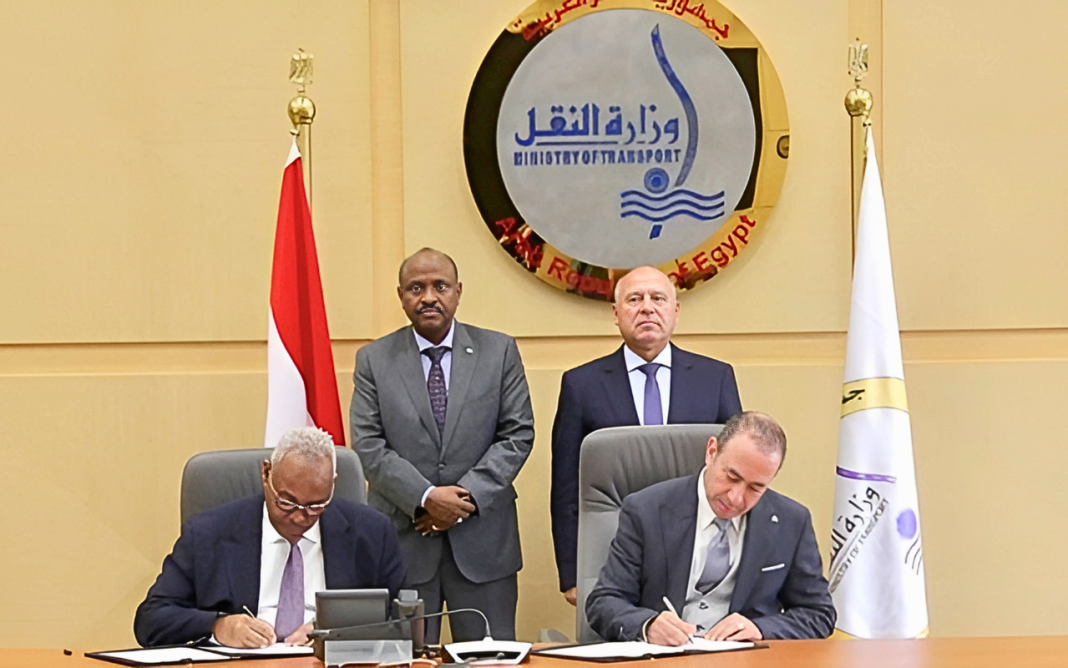
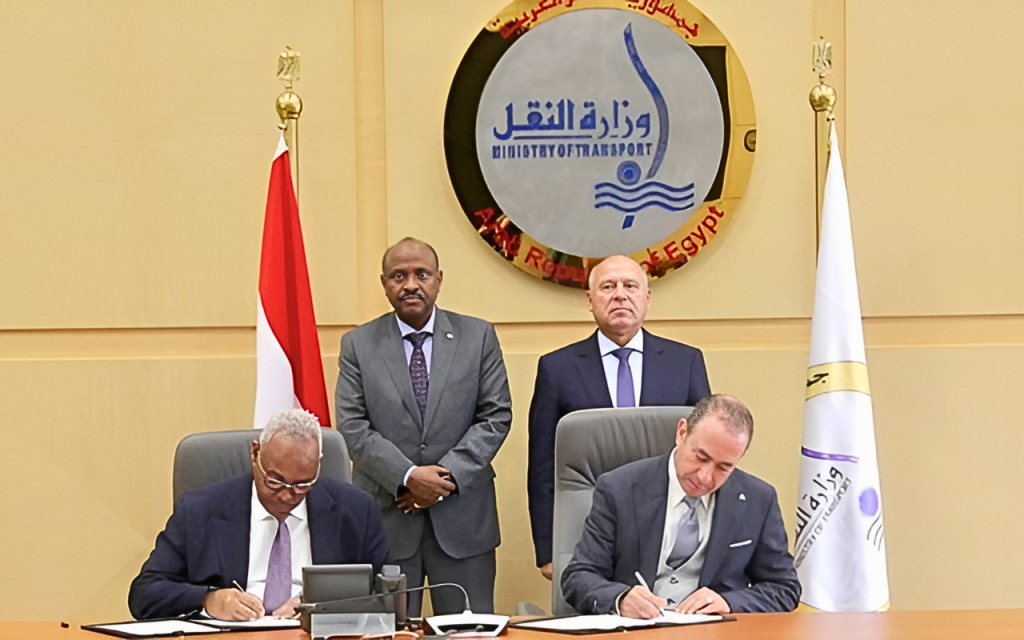
On November 8, 2024, Egypt and Djibouti signed a Memorandum of Understanding (MoU) marking a new chapter in their strategic collaboration. The objective? To modernize port infrastructures, build roads, and establish efficient logistical solutions that link both countries, enhancing their economic ties and solidifying their status as key players in the regional trade network. The signing of this agreement, set against the backdrop of Egypt’s aim to become a premier maritime hub in Africa and Djibouti’s strategic position at the gateway to the Red Sea, has the potential to significantly shift trade dynamics within the region.
The vision behind this MoU is expansive: improving existing ports, expanding transportation networks, and developing integrated logistical systems designed to streamline the movement and distribution of goods between the two nations. Egypt’s Minister of Transport called this agreement “a transformative step in bolstering regional commerce and port efficiency.” Experts suggest this partnership could set the stage for collaboration in other sectors, including energy and broader infrastructure initiatives, ultimately enhancing both nations’ competitiveness in the international marketplace.
This article explores the main components and future implications of this MoU, offering a detailed analysis of how this partnership may impact Djibouti’s economy, its strategic position in regional trade, and its ties with Egypt.
Strategic Goals of the MoU
At the heart of this MoU are several objectives that align closely with both countries’ long-term goals. The agreement is structured around three key areas:
- Port Modernization: Both Egypt and Djibouti will invest in upgrading existing port facilities, aiming to increase capacity and improve service quality for regional and international maritime traffic.
- Road Construction: To enhance connectivity between ports and industrial zones, the MoU outlines a framework for developing road networks. These new routes will facilitate the efficient movement of goods and reduce transit times for commercial traffic.
- Logistics Solutions: With an eye on trade efficiency, Egypt and Djibouti plan to create integrated logistical systems that will optimize the transport and distribution of goods. The goal is to reduce costs and expedite shipping processes to support both countries’ growing economies.
These focal points illustrate a shared vision between Egypt and Djibouti to become hubs of maritime trade, each leveraging its unique geographic advantage—Egypt as a bridge between the Mediterranean and the Red Sea, and Djibouti as a gateway to East Africa and the Middle East.
Context and Importance
The timing of this MoU reflects a moment when both Egypt and Djibouti are looking to elevate their roles in the global logistics chain. For Egypt, which controls the Suez Canal—a crucial global shipping route—the expansion into port and logistics infrastructure in the Red Sea enhances its strategic reach. “Egypt has long been a trade fulcrum between Europe, Asia, and Africa,” explains Ahmed El-Masry, an Egyptian maritime trade consultant. “This collaboration with Djibouti strengthens that position.”
Meanwhile, Djibouti’s geographical placement at the Red Sea entrance positions it as a critical point for maritime traffic in and out of the Gulf of Aden and the Indian Ocean. Djibouti has been steadily investing in its infrastructure, aligning with its ambition to become a significant logistics center for the region. Djibouti’s Minister of Transport emphasized this during the MoU signing: “Our partnership with Egypt will open new horizons for trade and development, transforming Djibouti into a pivotal logistics hub.”
By joining forces, Egypt and Djibouti can expand their influence on the region’s economic infrastructure, increasing their appeal to foreign investors and multinational corporations seeking strategic entry points to Africa, the Middle East, and beyond.
Infrastructure Development as an Economic Driver
The infrastructure improvements resulting from this MoU could act as catalysts for Djibouti’s economic growth. Analysts forecast a range of benefits:
- Enhanced Logistics Efficiency: Improved port infrastructure and the development of road networks will likely facilitate faster and more cost-effective transportation of goods. This streamlined logistical framework could attract more foreign investment, particularly in the transportation and logistics sectors, which are projected to grow in line with increasing trade volume.
- Logistics Zone Development: The establishment of dedicated logistics zones is a core aspect of the agreement. These zones, equipped with integrated facilities and services, would allow companies to streamline their supply chains and reduce handling costs, positioning Djibouti as an increasingly attractive logistics hub in East Africa.
- Gross Domestic Product (GDP) Growth: Increased trade flows, resulting from modernized infrastructure, have the potential to drive up Djibouti’s GDP. Djibouti’s GDP grew by 6.7% in 2023, largely thanks to its port activities. With these infrastructure upgrades, further GDP growth is anticipated, bolstering national economic resilience.
By linking these projects to broader trade networks, Djibouti stands to benefit from increased market access, potentially attracting a larger share of regional shipping traffic.
Future Prospects and Potential for Renewable Energy Initiatives
One significant aspect of the MoU is its emphasis on sustainable development, particularly in energy. Alongside port and logistics upgrades, the agreement includes plans for renewable energy initiatives. Renewable energy projects could reduce Djibouti’s reliance on imported fuel, increasing its energy security.
Djibouti has substantial potential in geothermal, solar, and wind energy, resources that have not yet been fully harnessed. Collaborations on renewable energy could contribute to the development of cleaner, more sustainable infrastructure. “This shift toward renewables is a logical step for Djibouti,” says environmental economist Fatima Hassan. “Not only does it align with global trends, but it positions Djibouti as a leader in sustainable practices in East Africa.”
Such investments could yield long-term benefits, reducing Djibouti’s energy costs while fostering a more sustainable economic growth model. Additionally, renewable projects could attract foreign investors who prioritize environmental, social, and governance (ESG) criteria in their portfolios.
Strategic Positioning in Regional Trade
Djibouti’s position at the crossroads of Africa and the Middle East has always been advantageous, but this MoU with Egypt could elevate its importance. By strengthening port and logistics infrastructure, Djibouti could solidify its status as a regional trade hub, capturing a larger share of international shipping traffic and further integrating with neighboring economies.
- Regional Trade Hub: The modernized ports and logistics networks will allow Djibouti to handle higher volumes of maritime traffic. This shift will likely draw more shipping lines and multinational logistics firms to Djibouti, positioning the country as a prime transit hub for East Africa and the Gulf region.
- Increased Regional Integration: Enhanced cooperation with Egypt also provides Djibouti with the opportunity to establish closer economic ties with its African neighbors. Increased regional trade may stimulate intra-African commerce, contributing to the goals of the African Continental Free Trade Area (AfCFTA) and promoting economic integration.
- Expanded Trade Routes: The development of road networks could facilitate cross-border trade with Ethiopia, Djibouti’s landlocked neighbor and primary trading partner. Egypt’s collaboration with Djibouti on these routes could provide Ethiopian exporters with more accessible, efficient trade routes to global markets.
This strengthened position not only has economic implications for Djibouti but also signals a broader commitment to regional cooperation and stability.
Conclusion
The Memorandum of Understanding between Egypt and Djibouti represents a bold step towards deepening economic ties, modernizing infrastructure, and establishing both nations as central players in regional and international trade. By investing in port modernization, road networks, and sustainable energy, this agreement holds the potential to transform Djibouti’s economic landscape, propelling it into the ranks of East Africa’s foremost logistics and trade hubs.
For Djibouti, this MoU is a critical milestone, one that could open new avenues for economic growth, job creation, and regional integration. As Djibouti and Egypt collaborate on these transformative projects, both nations are poised to benefit from the resulting synergies—enhancing their competitive edge in the global market and attracting new waves of foreign investment.
Looking ahead, this partnership could serve as a blueprint for other African nations seeking to leverage strategic alliances for infrastructure development and economic resilience. The future of East African trade is in motion, and at its heart lies a partnership rooted in shared ambition, mutual benefit, and a commitment to a sustainable, interconnected future.