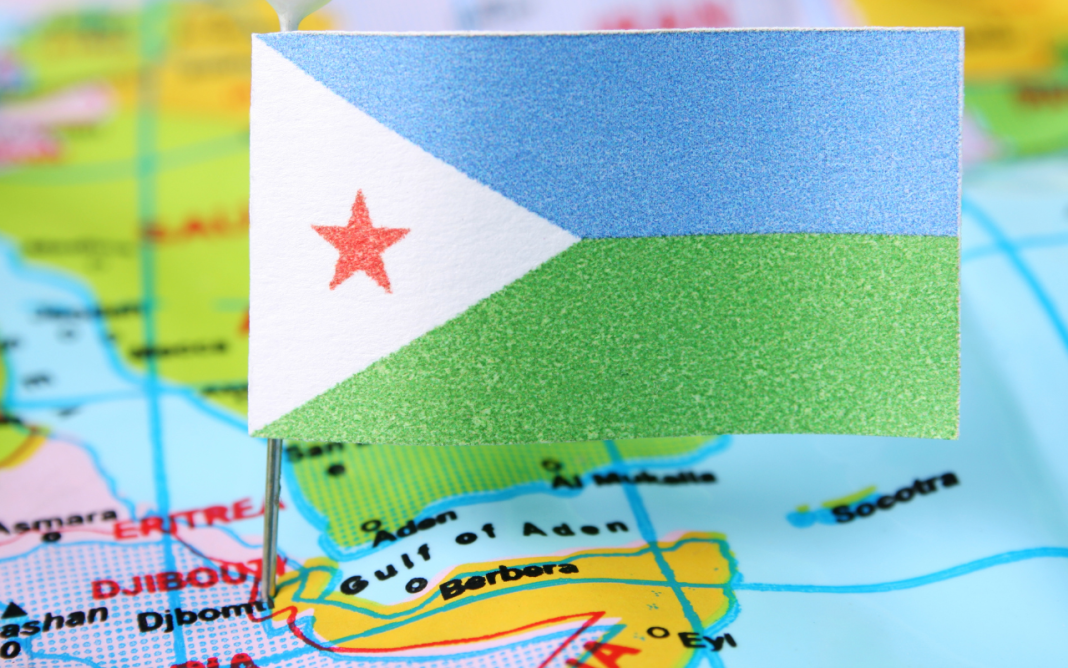


In the arid expanse of the Horn of Africa, Djibouti—a nation of just under a million inhabitants—has emerged as a focal point for global investors. Strategically perched at the juncture of Africa, Asia, and Europe, this diminutive country has witnessed a notable uptick in foreign direct investment (FDI), reaching $191 million in 2022, up from $168 million the previous year. This surge underscores Djibouti’s growing allure to international investors, even as it grapples with inherent structural challenges.
A Strategic Crossroads
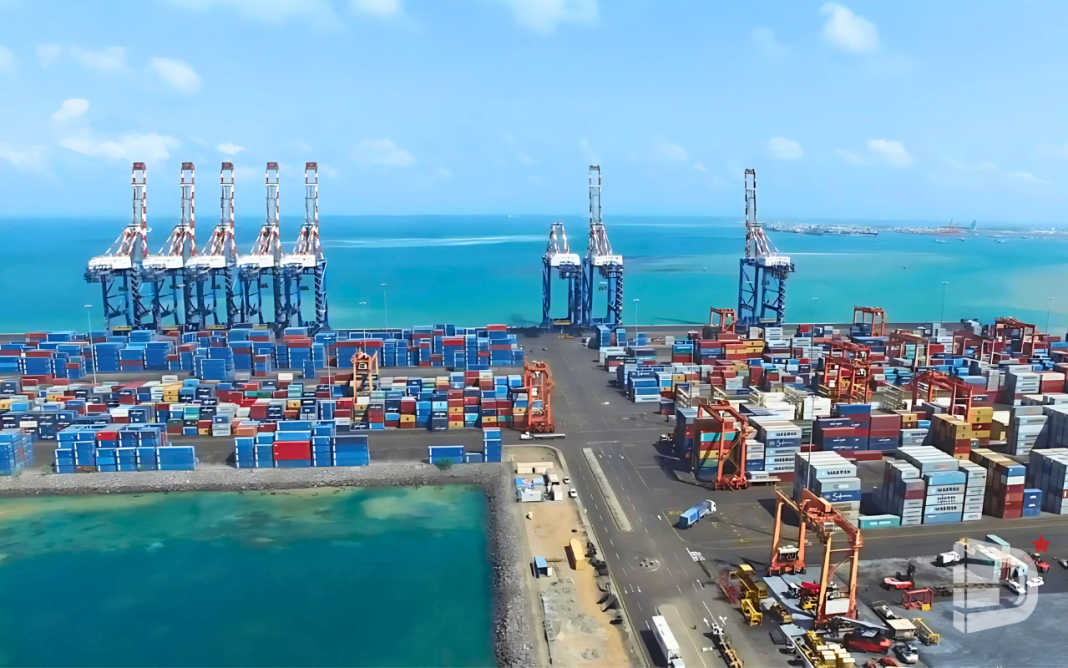
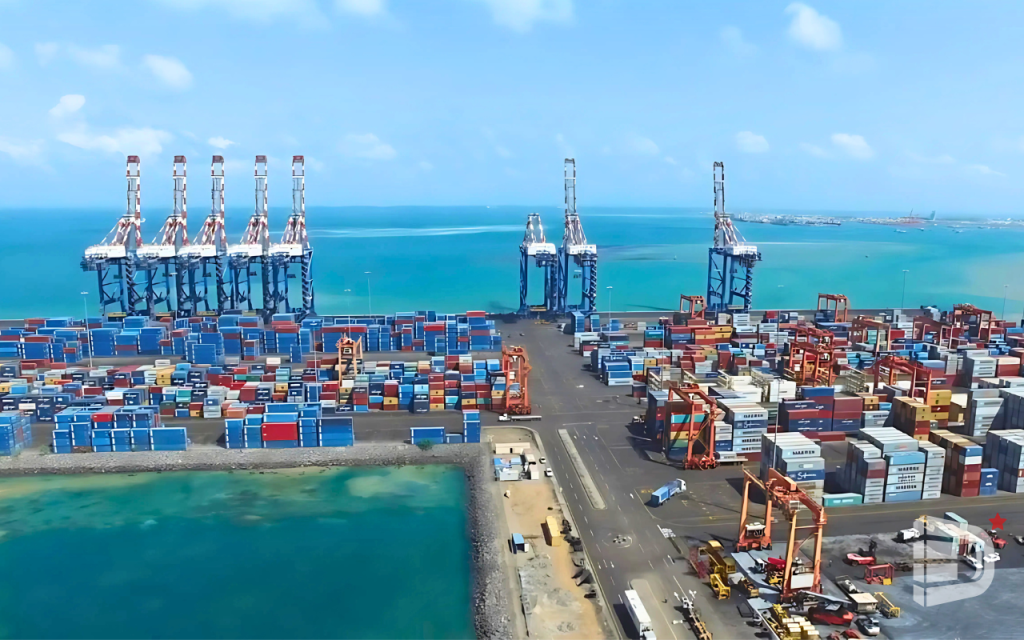
Djibouti’s prime location along the Bab-el-Mandeb Strait, a critical maritime chokepoint connecting the Red Sea to the Gulf of Aden, has long been its most prized asset. This strategic positioning has transformed the nation into a pivotal hub for maritime trade, with its ports serving as conduits for goods traversing between continents. The country’s stability, in a region often marred by conflict, further enhances its appeal to foreign investors seeking a reliable gateway to the African market.
The Evolution of FDI in Djibouti
The upward trajectory of FDI in Djibouti is indicative of the nation’s concerted efforts to position itself as a regional logistics and commercial nexus. According to the United Nations Conference on Trade and Development (UNCTAD), FDI inflows to Djibouti amounted to $191 million in 2022, up from $168 million in 2021. This growth is significant in a context where the country seeks to diversify its economy and strengthen its role as a logistics hub in East Africa.
The total stock of FDI currently stands at approximately $1.8 billion, representing about 54% of Djibouti’s GDP. Investments are primarily concentrated in the real estate, industry, and services sectors.
Key Sectors Attracting Investment
Several sectors have emerged as magnets for foreign capital:
- Infrastructure Development: Djibouti has embarked on ambitious infrastructure projects, including the expansion of its port facilities and the development of the Djibouti International Free Trade Zone (DIFTZ), which is expected to become Africa’s largest. Oxford Business Group
- Energy: The energy sector, encompassing renewables, distribution, and hydrocarbons, has attracted significant FDI, leveraging Djibouti’s strategic location between Europe, Africa, and Asia. Trésor Public
- Real Estate: The burgeoning demand for modern housing and commercial spaces has spurred investments in real estate development.
- Services: The services sector, particularly transport and logistics, benefits from Djibouti’s strategic geographic position, facilitating international trade.
Major Foreign Investors
Djibouti’s investment landscape is shaped by contributions from several key international players:
- China: China has been a dominant force, financing major infrastructure projects such as the Addis Ababa-Djibouti railway and the DIFTZ. These initiatives have bolstered Djibouti’s position as a logistics hub. Oxford Business Group
- Gulf Nations: Countries like the United Arab Emirates have invested heavily in Djibouti’s port infrastructure, recognizing its strategic maritime significance. Trésor Public
- Ethiopia: As a landlocked neighbor, Ethiopia relies on Djibouti’s ports for access to international markets, leading to investments in joint infrastructure projects that benefit both nations. BTI Project
- France and the United States: Both countries maintain military bases in Djibouti, contributing to the local economy and underscoring the nation’s strategic importance.
Reforms to Enhance the Business Climate
To sustain and amplify this investment momentum, the Djiboutian government has initiated several reforms aimed at creating a more conducive business environment:
- Investment Code Overhaul: The government has revised its investment code to align with international best practices, providing clear conditions for the entry, establishment, and treatment of foreign investors, as well as better guarantees of protection. Politique d’Investissement UNCTAD
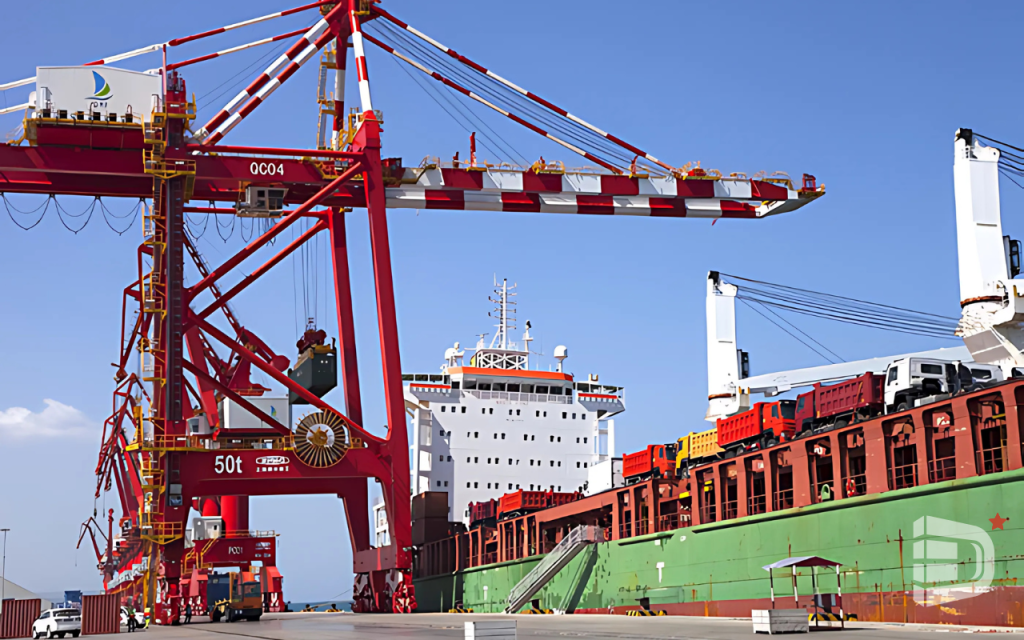
- Infrastructure Upgrades: Significant investments have been made to modernize port facilities, expand free trade zones, and improve transportation networks, thereby enhancing the country’s logistical capabilities.
- Fiscal Incentives: To attract foreign investors, the government offers substantial tax reductions and other incentives, particularly in sectors identified as strategic for national development. Trésor Public
Challenges on the Horizon
Despite these positive developments, Djibouti faces several challenges that could impede its investment attractiveness:
- Debt Sustainability: The rapid accumulation of debt to finance large-scale infrastructure projects has raised concerns about the country’s debt-servicing capacity. FMI
- Governance Issues: High levels of corruption and concerns about political stability pose significant challenges for Djibouti. BTI Project
- Economic Diversification: While the services sector dominates, there is a pressing need to diversify the economy to mitigate vulnerabilities to external shocks.
Looking Ahead
Djibouti’s strategic location and ongoing reforms position it well to attract sustained foreign investment. However, addressing structural challenges, ensuring debt sustainability, and fostering a transparent and stable business environment will be crucial to realizing its full potential as a regional economic hub.