


Introduction: A Small Country with a Grand Vision
On the shores of the Gulf of Aden, Djibouti is a country where the scorching heat and the vibrant human spirit meet in an extraordinary way. Djibouti is more than just a dot on the map of the Horn of Africa—it is a gateway for millions of tons of goods, a land of resilience and ambition. As the nation progresses toward its dream of becoming an essential economic hub, it also faces the unavoidable realities of climate change. How does a small country, with a population of less than one million, face ecological challenges that threaten its economic development and the well-being of its citizens?
This article invites you to dive into the story of Djibouti—a country that turns adversity into opportunity, builds bridges between nations, and redefines what resilience means in a climate-challenged world.
A Relentless Environment, but an Unwavering Will
Djibouti is undoubtedly one of the countries most vulnerable to climate hazards. Its proximity to the Red Sea offers unique strategic advantages but also places it on the front line of climate change consequences. The average temperature has increased by about 1°C over the past fifty years, and forecasts indicate that the country could experience up to 123 days of extreme heat per year by 2050. This could make outdoor work nearly impossible, reducing productivity in key sectors such as transport and logistics.
Yet, Djibouti is not a nation that backs down. In 2015, it announced its commitment to reduce greenhouse gas emissions by 40% by 2030, an impressive initiative for a country responsible for only a tiny fraction of global emissions. Water, so scarce in this arid region, has also become a priority. With desalination projects and a pipeline from Ethiopia, Djibouti is making progress in ensuring sustainable access to water for its growing population.
Vision Djibouti 2035: Diversification and Green Growth
Djibouti has set a course with its Vision 2035 strategy—an ambitious economic diversification plan aimed at reducing dependence on port services and encouraging the growth of new sectors. Among the priorities are tourism, fisheries, renewable energy, and information technology. The transition to 100% renewable energy by 2035 is a cornerstone of this strategy—not only to mitigate the effects of climate change but also to attract foreign investment.
One symbol of this energy transition is the recently inaugurated Ghoubet wind farm. Funded through international partnerships, it marks the beginning of a new era where Djibouti will no longer rely on imported fossil fuels. But diversification is not just about energy—it is also about people. Priority is given to training the local workforce and improving the business environment to allow young entrepreneurs to thrive.
Regional Integration: Shared Opportunities and Vulnerabilities
Djibouti’s geographic position makes it an essential player in trade in East Africa, with a significant amount of goods passing through its ports towards Ethiopia and beyond. However, this dependence on trade also presents challenges, particularly when climate disrupts these exchanges. Increasingly frequent torrential rains erode infrastructure, threatening to cut off vital rail and road links for the economy.
Djibouti also stands out as a haven for thousands of refugees and migrants from the Horn of Africa, often fleeing climate crises or conflicts. These populations put additional pressure on already scarce natural resources, but they also bring new skills and development opportunities. Djibouti aims to turn this migration flow into an advantage by facilitating the integration of migrants into the economic and social fabric through support programs and assistance from international partners.
Adaptation and Investments in Urban Resilience
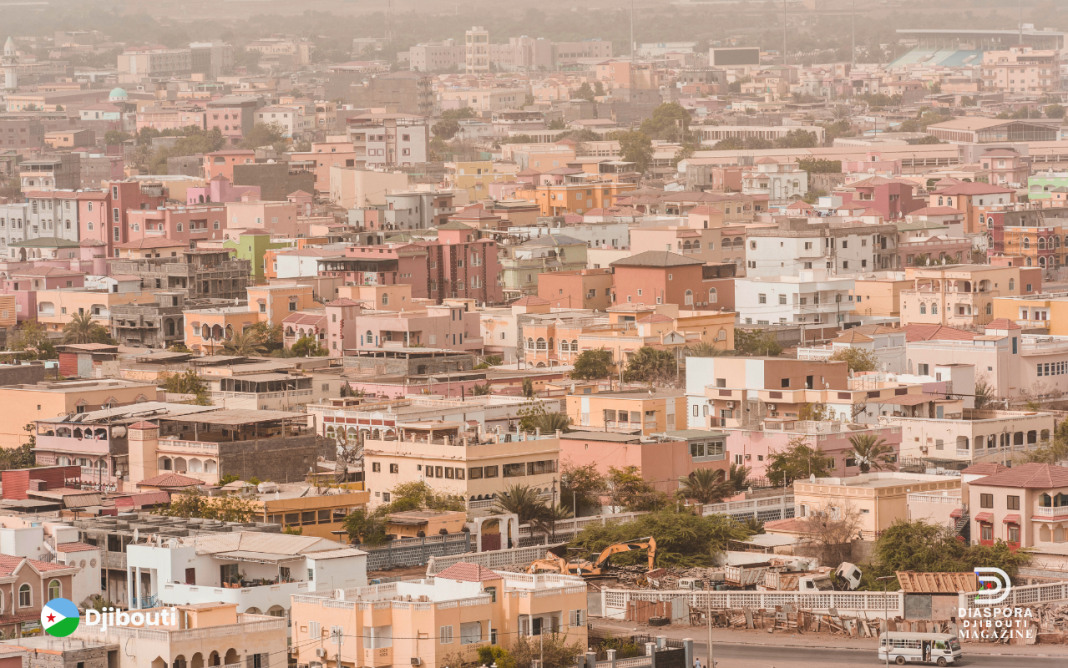
With the growing urbanization of Djibouti, the capital city must face increasingly severe floods caused by heavy rains and sometimes inadequate infrastructure. The situation is particularly precarious in the Balbala districts, where population density and poverty make residents more vulnerable to climate hazards.
To preserve urban life, efforts have been made to improve drainage systems and strengthen road infrastructure to reduce the impact of heavy rainfall. Djibouti is also investing in improving wastewater management and expanding renewable electricity networks, thus preparing a city resilient to future challenges.
Public health is also an area where investments have paid off. With the support of international organizations, Djibouti’s health system is preparing to face evolving climate-related diseases, such as malaria, which is on the rise in the region. New health infrastructure is emerging, and community initiatives to raise awareness are multiplying, demonstrating the country’s determination to protect its citizens.
Conclusion: Djibouti, a Model of Adaptation and Ambition
Djibouti is a country that refuses to remain passive in the face of threats. Its dream of becoming a dynamic economic hub, supported by clean energy and unmatched climate resilience, is well underway. The road is long, and the challenges are numerous—whether it is ensuring sufficient water security, diversifying the economy, or responding to the impacts of climate change. But every obstacle is an opportunity, and Djibouti is ready to rise to the challenge.
In the end, Djibouti’s resilience lies not only in its infrastructure or international commitments but in the energy and determination of its people. With Vision 2035, the nation shows us that being small does not mean lacking ambition—it is proof that human willpower and ingenuity can transform even the most difficult climate realities into a drive for change.